

Marketing ideas to Boost School admission
Getting more students to apply to your school doesn’t have to be a guessing game. This guide explores marketing ideas to boost school admissions and helps school administrators, admissions directors, and marketing teams discover proven strategies that actually work to increase enquiries and enrolments.
Today’s families research schools very differently than they did even five years ago. They explore school websites, check social media channels, read online reviews, and expect schools to meet them where they already spend their time. Smart schools adapt their admissions marketing approach to align with these changing habits and expectations.
In this guide, we’ll walk through effective digital marketing strategies that help you reach the right families online, along with content marketing techniques that clearly showcase what makes your school unique. You’ll also learn why some traditional marketing methods still deliver strong results and shouldn’t be ignored in your admissions strategy.
The best part? You don’t need a huge budget to see real improvements in your student enrolment numbers.
Digital Marketing Strategies to Boost Enrollment

Create engaging social media campaigns across multiple platforms
Social media platforms offer schools direct access to families during their decision-making process. Parents actively research schools on Facebook, Instagram, making these channels essential for enrollment success.
Facebook remains the primary platform for parent communities. Host virtual open houses through Facebook Live, allowing families to ask real-time questions. Create dedicated groups for each enrollment cycle where interested families can connect and receive updates. Share detailed posts about curriculum highlights, teacher spotlights, and student success stories.
Instagram attracts younger families and showcases school personality through creative, fun content. Students can participate in trending challenges while highlighting school spirit, or teachers can create educational content that demonstrates their expertise and passion.
Cross-platform consistency maintains brand recognition while platform-specific content maximizes engagement. Develop a content calendar that coordinates campaigns across channels, ensuring messaging aligns while adapting format and tone for each platform’s audience expectations.
Develop search engine optimization for higher visibility
Parents begin their school search online, making Google visibility crucial for enrollment success. Most families never scroll past the first page of search results, positioning SEO as a fundamental marketing investment.
Local SEO drives the most qualified traffic since families typically search within their geographic area. Optimize Google My Business profiles with accurate contact information, operating hours, and regular photo updates. Encourage satisfied families to leave detailed reviews that address common parent concerns like class sizes, teacher quality, and communication.
Content creation around parent search terms captures high-intent traffic. Families search for phrases like “best elementary schools near me,” “private school tuition costs,” and “schools with small class sizes.” Create dedicated pages addressing these topics with genuine, helpful information rather than pure promotional content.
Technical SEO ensures search engines can properly index and rank your website. Page loading speed directly impacts both search rankings and user experience. Mobile optimization is non-negotiable since many parents research schools on their phones during commutes or breaks.
Link building through educational partnerships, community involvement, and local business relationships strengthens domain authority. Guest posting on parenting blogs, educational websites, and community publications creates valuable backlinks while positioning school leadership as thought leaders in education.
Launch targeted pay-per-click advertising campaigns
PPC advertising delivers immediate visibility for time-sensitive enrollment periods. Unlike organic marketing that takes months to show results, paid campaigns can generate qualified leads within days of launch.
Google Ads targets families actively searching for schools in your area. Bid on keywords like “private schools [city name],” “elementary school enrollment,” and specific educational approaches your school offers. Create separate ad groups for different grade levels since parent concerns vary significantly between early childhood, elementary, and secondary education.
Facebook and Instagram ads excel at targeting specific demographics and interests. Create custom audiences based on household income, education level, and parenting interests. Lookalike audiences based on your current parent community help identify families with similar characteristics and values.
Retargeting campaigns re-engage website visitors who didn’t initially inquire. Many families research multiple schools over several months before making decisions. Strategic retargeting keeps your school visible throughout their evaluation process without being pushy or overwhelming.
Campaign optimization requires continuous testing and refinement. A/B test ad copy, images, and landing pages to identify what resonates best with your target audience. Track conversions beyond just clicks – measure actual inquiries, tour bookings, and enrollment applications to determine true return on investment.
Build email marketing sequences for prospective families
Email marketing nurtures relationships over the extended timeline of school selection decisions. Families often research schools months or even years in advance of enrollment, making consistent communication essential for staying top-of-mind.
Lead magnets capture email addresses by offering valuable resources parents want. Create downloadable guides like “Questions to Ask During School Tours,” “Understanding Different Educational Approaches,” or “Preparing Your Child for School Transitions.” These resources position your school as helpful and knowledgeable while building your email list.
Welcome series emails introduce your school’s unique value proposition gradually. Begin with a personal message from the head of school, followed by emails that highlight various aspects, including academics, community, facilities, and extracurricular programs. Space these emails over several weeks to avoid overwhelming busy parents.
Segmented campaigns deliver relevant content based on where families are in the enrollment process. New subscribers receive introductory content, while families who’ve toured deserve more detailed information about next steps. Grade-level segmentation ensures parents receive age-appropriate information for their children.
Timing optimization maximizes open rates and engagement. Most parents check email during specific times: early morning before work, lunch breaks, or evening after children’s bedtime. Test send times to identify when your audience is most responsive, and avoid competing with school pickup times or major family obligations.
Automated drip campaigns maintain consistent communication without overwhelming your admissions team. Set up sequences triggered by specific actions like downloading resources, attending events, or submitting inquiries. This ensures every prospective family receives appropriate follow-up regardless of when they first engage with your school.
Content Marketing That Attracts Quality Students

Showcase student success stories and testimonials
Real stories from current students and alumni create powerful connections with prospective families. These authentic narratives demonstrate the tangible impact of your school’s education and help families visualize their child’s potential future. Share stories across multiple formats – written testimonials on your website, video interviews, and social media posts featuring student achievements.
Focus on diverse success stories that represent different academic programs, extracurricular activities, and career paths. Include students who overcame challenges, discovered new passions, or achieved unexpected goals. Parents want to see evidence that their investment will pay off, and peer success stories provide that proof more effectively than any marketing copy.
Feature recent graduates who’ve gone on to prestigious universities, landed competitive internships, or started successful businesses. Include current students discussing their favorite teachers, breakthrough moments, or how the school supported their unique learning style. These stories resonate because they’re relatable and authentic.
Create virtual campus tours and facility highlights
Virtual tours remove geographical barriers and allow families to explore your campus from anywhere in the world. High-quality virtual experiences can be the deciding factor for families who can’t visit in person or want to revisit specific areas after their initial tour.
Interactive virtual tours should highlight key spaces that matter most to students and parents – modern classrooms, science laboratories, libraries, athletic facilities, dining areas, and dormitories. Include 360-degree views, clickable hotspots with additional information, and audio narration that brings each space to life.
Create specialized tours for different age groups or interests. Elementary school tours might focus on colorful classrooms, playgrounds, and art spaces, while high school tours should emphasize advanced laboratories, college counseling offices, and career preparation facilities. Don’t forget to showcase unique features that set your school apart – whether that’s a state-of-the-art maker space, professional theater, or championship sports complex.
Publish educational blog content for parents and students
Educational blog content positions your school as a thought leader while providing genuine value to your target audience. Write about topics that keep parents awake at night – college preparation strategies, supporting children through academic challenges, choosing the right extracurricular activities, or navigating social dynamics at different developmental stages.
Create content that addresses common questions and concerns at each grade level. Parents of elementary students want guidance on reading development and social skills. Middle school parents need advice about academic transitions and emotional support. High school families are focused on college admissions, standardized testing, and career exploration.
Include practical tips, research-backed insights, and actionable advice in every post. Share internal expertise from your faculty and counselors. When your admissions team or teachers contribute articles about effective study techniques, time management, or subject-specific guidance, it showcases the quality of education families can expect.
| Content Type | Target Audience | Example Topics |
|---|---|---|
| Academic Support | Parents & Students | Study skills, test preparation, homework strategies |
| College Prep | High School Families | Application essays, financial aid, campus visits |
| Development | Elementary/Middle Parents | Social skills, confidence building, learning differences |
| School Life | Prospective Families | Daily routines, extracurriculars, community events |
Develop video content featuring faculty and programs
Video content creates emotional connections that written materials simply can’t match. Prospective families want to see and hear from the educators who will shape their child’s learning experience. Faculty introduction videos allow teachers to share their teaching philosophy, background, and passion for their subject area.
Program showcase videos should highlight unique offerings that differentiate your school. Film science experiments in action, capture theater productions during rehearsals, document art students creating masterpieces, or follow the debate team preparing for competitions. These glimpses into daily learning experiences help families understand what their child’s education will actually look like.
Create “day in the life” videos that follow different students through typical school days. Show the variety of learning experiences, from traditional classroom instruction to hands-on projects, collaborative group work, and independent research. Include footage of lunch conversations, study hall sessions, and after-school activities to paint a complete picture of student life.
Behind-the-scenes content works particularly well for social media platforms. Share quick videos of faculty preparing lessons, students working on exciting projects, or campus maintenance crews creating beautiful outdoor learning spaces. This type of content humanizes your school and shows the care and attention that goes into creating an exceptional educational environment.
Traditional Marketing Methods That Still Work

Host Open Houses and Campus Visit Events
Nothing beats seeing your school firsthand. Open houses give families a chance to walk your halls, meet teachers, and feel the energy of your learning environment. The key is creating an experience that goes beyond a basic tour.
Set up interactive stations where visitors can see students in action. Have your art students displaying their work, science classes conducting experiments, or music groups performing mini-concerts. This shows your school’s personality rather than just empty classrooms.
Time your events strategically. Weekend morning sessions work well for busy families, but consider evening events too for working parents. Multiple dates throughout the year catch families at different stages of their decision-making process.
Train your student ambassadors well – they’re often your best selling points. Kids connect with other kids, and prospective students want to hear what school is really like from their peers.
Partner with Local Community Organizations and Businesses
Your community is full of potential allies who share an interest in quality education. Local businesses often want to support schools because educated families make good customers and future employees.
Reach out to pediatricians, dentists, and family service providers. These professionals regularly interact with parents who might be considering school options. A simple brochure display or referral relationship can generate quality leads.
Youth sports leagues, dance studios, and music schools are goldmines for connections. Parents involved in these activities are already investing in their children’s development and likely value good education.
Consider sponsorship opportunities at community events. Your school banner at the local 5K run or farmer’s market keeps your name visible to families who prioritize community involvement.
Implement Referral Programs for Current Families
Your happiest families are your best marketers. They know other parents with similar values and educational priorities, making their recommendations incredibly powerful.
Create a structured program that rewards families for successful referrals. This could include tuition credits, fee waivers, or special recognition. Make sure the benefits are meaningful enough to motivate participation.
Ask for referrals at specific times – after positive parent conferences, school events, or when families express satisfaction. Timing matters because enthusiasm is contagious, and recent positive experiences make parents more likely to recommend you.
Provide referral tools that make sharing easy. Give families attractive postcards, digital materials for social media, or even talking points for conversations with other parents.
Use Print Advertising in Local Publications
Digital marketing gets lots of attention, but local print publications still reach engaged community members. Parents who read community newspapers and magazines are often the exact demographic you want to attract.
Focus on publications that target your ideal families. Parenting magazines, community newsletters, and local lifestyle publications often have loyal readerships who trust their content and advertising.
Make your ads stand out with compelling visuals and clear messages about what makes your school special. Avoid generic education speak and focus on specific benefits that matter to parents.
Track your print advertising results by asking new families how they heard about you. This helps you identify which publications deliver the best return on your investment and adjust your strategy accordingly.
Building Strong Relationships Through Community Engagement

Participate in Local Education Fairs and Community Events
Setting up a booth at local education fairs gives you direct access to families actively searching for schools. Come prepared with interactive displays that showcase your school’s unique programs, student achievements, and campus culture. Bring current students and enthusiastic staff members who can share personal experiences and answer questions naturally.
Community events like farmers’ markets, festivals, and charity runs offer unexpected opportunities to connect with local families. Sponsor a booth or activity that reflects your school’s values – maybe a science demonstration station or an art corner where kids can create while parents learn about your programs. These relaxed settings often lead to more genuine conversations than formal presentations.
Consider hosting your own community events on campus. Open houses with student-led tours, science fairs open to the public, or family fun days can draw neighborhood families who might not otherwise visit your school. These events let families experience your school environment firsthand and see students engaged in authentic learning.
Establish Partnerships with Feeder Schools and Programs
Building relationships with elementary schools, preschools, and community programs creates a natural pipeline of prospective students. Meet regularly with counselors and administrators at these institutions to understand their students’ needs and share how your school can meet them.
Create transition programs that ease students’ move from one level to the next. Summer bridge programs, campus visits for younger students, or mentorship opportunities where your current students work with incoming ones can make the transition feel less intimidating.
Partner with local youth organizations, sports leagues, and after-school programs. Many families involved in these activities are already invested in their children’s development and may be open to learning about educational opportunities that align with their values.
Create Alumni Networks for Ongoing Promotion
Your graduates are your best ambassadors. They’ve experienced your school firsthand and can speak authentically about its impact on their lives. Organize regular alumni gatherings where recent graduates can share their post-graduation successes with prospective families.
Encourage alumni to share their stories on social media and at community events. A heartfelt testimonial from a former student who landed their dream job or got into their top-choice college carries more weight than any promotional material you could create.
Develop a formal alumni ambassador program where graduates volunteer to represent your school at events, speak to prospective families, or mentor current students. This keeps them connected to your community while providing ongoing promotional support.
Engage with Local Media for Positive Coverage
Local newspapers, radio stations, and community blogs are always looking for positive education stories. Pitch them stories about student achievements, innovative programs, or community service projects your school is involved in.
Build relationships with education reporters and community editors. Send them regular updates about noteworthy happenings at your school, and make it easy for them to cover your events by providing clear information and photo opportunities.
Don’t overlook hyperlocal media opportunities. Neighborhood newsletters, community Facebook groups, and local podcasts often have engaged audiences who trust their recommendations. A feature story in a small community publication can be more valuable than a brief mention in a large newspaper.
Create newsworthy moments by organizing unique events or launching innovative programs. Partner with local businesses on educational initiatives, host community service projects, or invite notable speakers to campus – these activities generate natural media interest while showcasing your school’s active role in the community.
Leveraging Data and Analytics for Better Results

Track enrollment funnel metrics and conversion rates
School administrators who embrace data-driven marketing see significantly better enrollment outcomes than those who rely on gut feelings alone. Your enrollment funnel represents the journey prospective families take from first hearing about your school to completing registration. Each stage offers valuable insights into where you’re winning and losing potential students.
Start by mapping your complete enrollment journey. Track metrics like website visitors, inquiry form submissions, tour requests, application downloads, completed applications, and final enrollments. Calculate conversion rates between each stage to identify bottlenecks. If 1,000 families visit your website but only 50 schedule tours, you’ve spotted a critical weakness in your initial engagement strategy.
Modern analytics tools make this tracking straightforward. Google Analytics can monitor website behavior, while specialized education CRM systems track the entire enrollment process. Pay attention to seasonal patterns too – middle school enrollment inquiries might spike in January, while elementary applications typically increase in March.
Don’t just collect numbers; act on them. If your application completion rate drops significantly, maybe your forms are too complex. If families tour your campus but don’t apply, perhaps your follow-up process needs improvement. The most successful schools review these metrics monthly and adjust their strategies accordingly.
Analyze competitor marketing strategies and positioning
Your local education market is competitive, and understanding how other schools position themselves gives you a strategic advantage. Start by identifying your direct competitors – schools that serve similar demographics and grade levels in your area. Don’t limit yourself to just private schools if you’re private, or just public schools if you’re public. Families often consider multiple school types.
Create a competitor analysis framework that examines their messaging, marketing channels, unique selling propositions, and pricing strategies. Visit their websites regularly and sign up for their newsletters to see how they communicate with prospective families. Follow their social media accounts to understand their content strategy and engagement levels.
Pay special attention to how competitors handle their admission cycles. When do they start marketing? What events do they host? How do they follow up with interested families? This intelligence helps you time your own campaigns more effectively and identify gaps in the market you can exploit.
Use tools like SEMrush or Ahrefs to analyze their digital marketing efforts. See which keywords they’re targeting, what content performs best, and where they’re getting backlinks. Social media monitoring tools can track their engagement rates and the most successful posts.
Use customer relationship management systems effectively
CRM systems designed for schools transform how you manage prospective families throughout the enrollment process. These platforms go far beyond simple contact databases – they create personalized experiences that guide families toward enrollment decisions.
Choose a CRM that integrates with your existing systems. Your website forms should automatically feed into the CRM, creating prospect profiles without manual data entry. Email marketing tools, event management systems, and even your student information system should connect seamlessly.
Automated nurture campaigns work exceptionally well for school marketing. Set up email sequences that trigger based on specific actions – when someone downloads your viewbook, schedules tours, or attends an open house. These campaigns can share student success stories, highlight unique programs, or provide helpful resources about choosing the right school.
The real power comes from personalization. If a family shows interest in your STEM programs during a tour, your CRM should flag this preference and send relevant content about science competitions, robotics clubs, or college placement in engineering programs. Track every interaction – emails opened, links clicked, events attended – to build comprehensive profiles of each prospect’s interests and engagement level.
Implement feedback systems to improve marketing efforts
Successful schools create multiple feedback loops to continuously refine their marketing approaches. The best insights often come from the families you serve and those who chose other schools. Both groups provide different but equally valuable perspectives on your marketing effectiveness.
Survey families at various enrollment stages. Ask new families what attracted them to your school and which marketing messages resonated most. Find out where they first heard about you and what ultimately convinced them to choose your school over alternatives. This information reveals which marketing channels deliver the highest quality leads and which messages drive enrollment decisions.
Create feedback mechanisms for your admission team, too. They interact with prospective families daily and often notice patterns in questions, concerns, or objections. Monthly team meetings focused on marketing feedback can uncover issues with your messaging or identify new opportunities for content creation.
Don’t ignore families who didn’t enroll. Conduct brief phone interviews or send simple surveys asking why they chose a different school. Their feedback highlights competitive disadvantages or messaging gaps you might not have noticed. Sometimes these insights lead to significant improvements in positioning or communication strategy.
Online review monitoring provides another feedback source. Track what current and former families say about your school on Google, Facebook, and education-specific review sites. Respond professionally to all reviews and use negative feedback as improvement opportunities rather than just damage control.
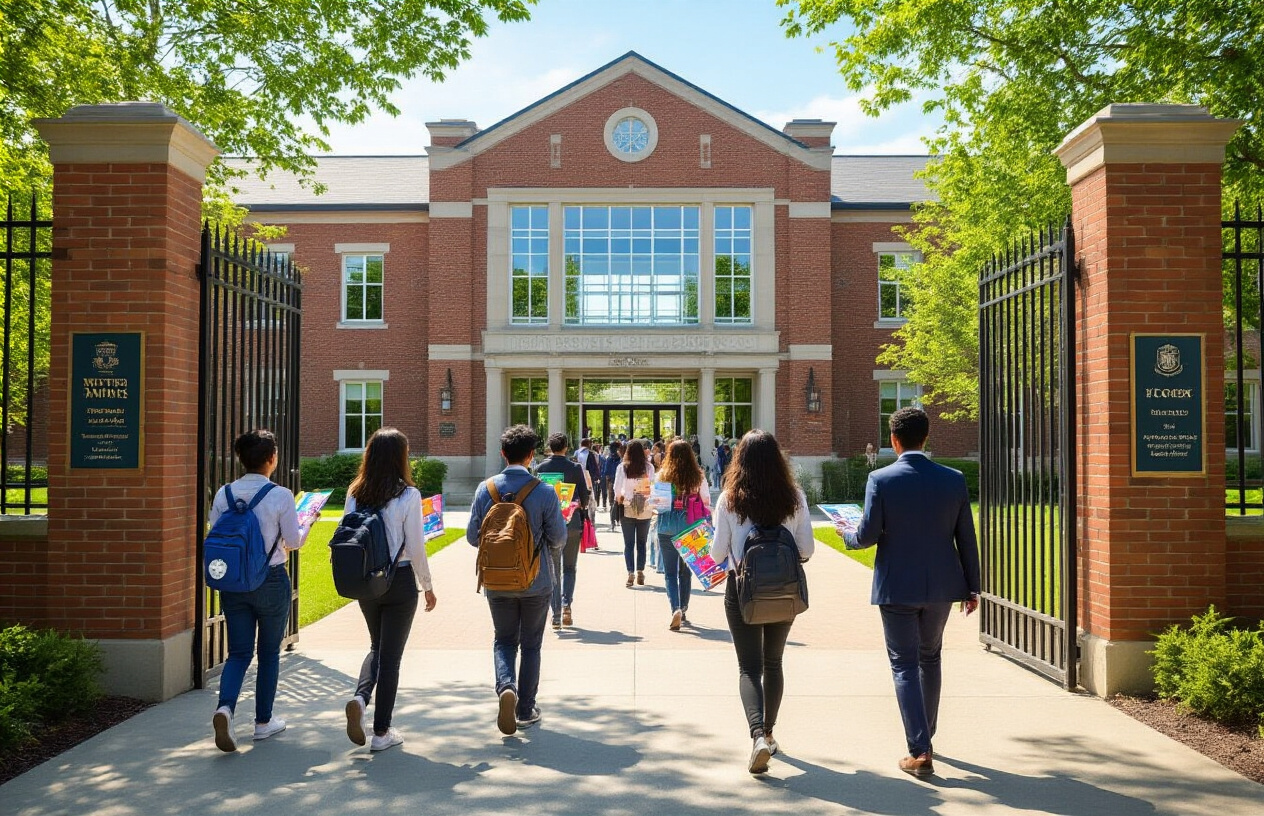
Getting students to notice your school and choose it over others comes down to mixing the right digital tools with genuine community connections. Social media campaigns, valuable content, and targeted ads can reach families where they spend their time online, while traditional methods like open houses and referral programs still pack a punch when done right.
The real magic happens when you combine these approaches with solid data tracking and authentic community involvement. Schools that actively engage with local families, measure what’s working, and adjust their strategies see the best enrollment results. Start with one or two methods that feel natural for your team, track the results, and build from there – your future students are out there waiting to discover what makes your school special.
Read also – challenges of digital marketing, For engineering management